Artificial intelligence (AI) is rapidly reshaping the modern workplace, creating both opportunities and challenges for businesses and employees across the United States. As organizations increasingly adopt AI-driven technologies, the role of human workers is evolving rather than disappearing.
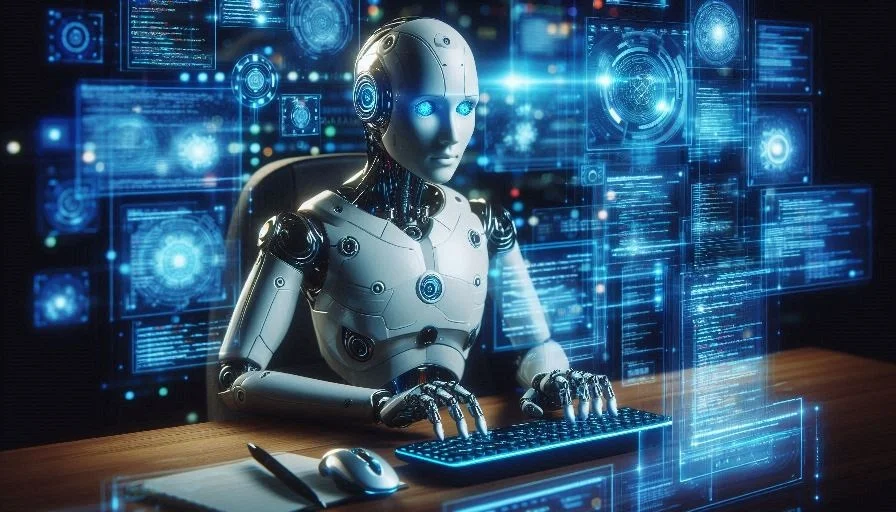
According to recent research and industry analysis, companies that implement AI technologies often experience increased productivity, improved decision-making, and greater operational efficiency. AI systems are capable of analyzing massive datasets, automating repetitive tasks, and providing insights that help organizations make faster and more informed strategic decisions.
Experts suggest that instead of replacing workers entirely, AI is changing the nature of many jobs. Routine and data-intensive tasks are increasingly automated, allowing employees to focus on higher-value work such as creative problem-solving, innovation, and strategic planning. As a result, new roles related to AI development, data science, and digital transformation are emerging across multiple industries.
However, the integration of AI into the workforce also highlights the growing need for new skills. Businesses and educational institutions are now emphasizing digital literacy, data analysis, and technological adaptability to prepare workers for an AI-driven economy.
As artificial intelligence continues to evolve, it is expected to play an even greater role in shaping the future of work. Organizations that successfully integrate AI while investing in human talent may gain a significant competitive advantage in the global digital economy.